
How to Protect Your Home From Cockroach Invaders
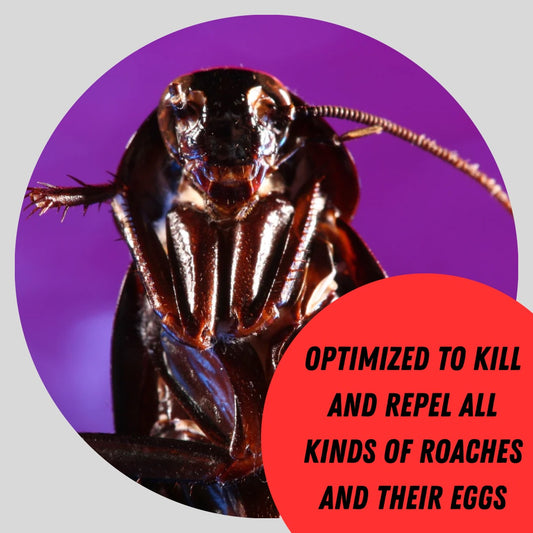
Cockroaches are among the most resilient and unwanted household pests. Once they enter a home, they can spread quickly, contaminate surfaces, trigger allergies, and become extremely difficult to eliminate.
At CREEPER DEFEATER® we believe prevention is the strongest form of pest control. Understanding what attracts cockroaches and how to make your home less inviting can dramatically reduce the risk of infestation before it starts.
Whether you are dealing with occasional sightings or trying to proactively protect your space, here is what science and pest control experts recommend.
Why Cockroaches Are a Serious Household Pest
Cockroaches are more than just unpleasant to see. Research has linked cockroach exposure to:
- Indoor allergen buildup
- Asthma triggers
- Bacterial contamination
- Food contamination
- Rapid indoor infestations
Cockroaches can spread bacteria across countertops, cabinets, and food preparation areas as they search for water and food sources.
Because they reproduce quickly and hide efficiently, even a small roach problem can escalate fast.
What Attracts Cockroaches Into Your Home?
Cockroaches are survival driven pests. They are constantly searching for three things:
- Food
- Moisture
- Shelter
Common attractants include:
- Crumbs and food residue
- Dirty dishes
- Leaking pipes
- Pet food left out overnight
- Standing water
- Garbage buildup
- Cluttered storage areas
- Cardboard and paper piles
Warm, dark environments make ideal hiding spots for roaches.
Where Cockroaches Commonly Hide
Cockroaches are experts at staying hidden during the day.
Common hiding places include:
- Under sinks
- Behind refrigerators
- Inside cabinets
- Around drains
- Near dishwashers
- In basements
- Behind appliances
- Inside wall cracks and crevices
Many homeowners do not notice a problem until populations have already grown significantly.
Science Backed Ways to Help Prevent Cockroaches
Keep Food Areas Extremely Clean
Even tiny crumbs and spills can attract roaches.
To help reduce attraction:
- Wipe countertops regularly
- Sweep floors frequently
- Store food in sealed containers
- Clean under appliances
- Avoid leaving dirty dishes overnight
Kitchen sanitation is one of the most important factors in cockroach prevention.
Eliminate Moisture Sources
Cockroaches depend heavily on water for survival.
Pay attention to:
- Leaky pipes
- Damp cabinets
- Standing water
- Sink areas
- Bathroom moisture
- Humid storage spaces
Reducing excess moisture makes your environment less hospitable to pests.
Seal Entry Points
Roaches can squeeze through surprisingly small openings.
Inspect your home for:
- Cracks around doors
- Gaps near windows
- Pipe openings
- Wall crevices
- Foundation cracks
Sealing these access points helps reduce opportunities for pests to enter.
Reduce Clutter
Cockroaches thrive in dark, undisturbed environments.
Reducing clutter can help eliminate hiding spots, especially in:
- Garages
- Closets
- Storage rooms
- Cabinets
- Laundry rooms
Cardboard boxes are especially attractive because they provide warmth and shelter.
Use Preventative Pest Protection
Preventative pest control helps create an additional layer of defense before infestations develop.
At CREEPER DEFEATER®, our 'ROACH DON'T APPROACH!'™ product was designed to help support a cleaner, less inviting environment for roaches around the home. Consistent preventative treatment can help reduce pest activity and support long term home protection strategies.
Preventative approaches are often far easier than trying to eliminate a large infestation later.
Signs You May Have a Cockroach Problem
Some signs of cockroach activity include:
- Droppings resembling black pepper or coffee grounds
- Musty odors
- Egg casings
- Roach sightings at night
- Smear marks near walls or corners
Seeing cockroaches during the daytime can sometimes indicate a larger infestation, since roaches are primarily nocturnal.
Why Cockroach Prevention Matters
Cockroach infestations are notoriously difficult to manage once established because roaches:
- Reproduce rapidly
- Hide effectively
- Adapt to environments quickly
- Survive in hard to reach spaces
That is why proactive prevention is one of the smartest pest control strategies homeowners can implement.
At CREEPER DEFEATER®, we focus on helping homeowners stay ahead of pest problems before they escalate.
Protecting your home from cockroach invaders starts with consistency, cleanliness, environmental awareness, and preventative pest control.
Simple habits like reducing moisture, sealing entry points, maintaining clean surfaces, and using preventative protection strategies can make a major difference in reducing roach activity.
At CREEPER DEFEATER®, we believe your home should feel clean, comfortable, and protected from unwanted pests.
Roach FAQ
What causes cockroaches in a clean house?
Even clean homes can attract cockroaches if moisture, entry points, or hidden food sources are available.
Where do cockroaches usually enter from?
Cockroaches commonly enter through cracks, drains, windows, doors, and plumbing gaps.
Why are cockroaches dangerous?
Cockroaches can spread bacteria, contaminate surfaces, and contribute to indoor allergens and asthma triggers.
What smells keep roaches away?
Strong odors and preventative pest treatments may help reduce pest activity, though environmental prevention remains most important.
How do I help prevent roaches naturally?
Keeping surfaces clean, reducing moisture, sealing entry points, and maintaining a clutter free environment can help reduce cockroach attraction.
Protect Your Home Before Roaches Move In
Cockroach prevention is easier than dealing with a full infestation later. Creeper Defeater’s 'ROACH DON'T APPROACH!'™ was designed to help support proactive home pest protection and help create a less inviting environment for unwanted roach activity.
Sources
-
Centers for Disease Control and Prevention Cockroach Information
Centers for Disease Control and Prevention. (2024). Cockroaches and health. U.S. Department of Health and Human Services. -
Environmental Protection Agency Pest Prevention Guidance
Environmental Protection Agency. (2024). Safe pest control practices. United States Environmental Protection Agency. -
National Pest Management Association Cockroach Facts
National Pest Management Association. (2024). Cockroach prevention and control. -
Mayo Clinic Indoor Allergy Triggers Overview
Mayo Clinic. (2024). Asthma triggers: Gain control.
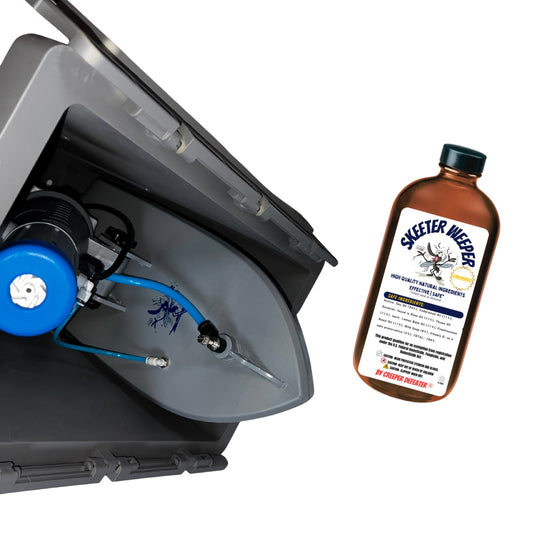
![SKEETER WEEPER®: SMART MOSQUITO+ FOGGING / MISTING SYSTEM [PATENT PENDING]](http://creeperdefeater.com/cdn/shop/files/preview_images/Untitled_design.jpg?v=1792615160&width=533)
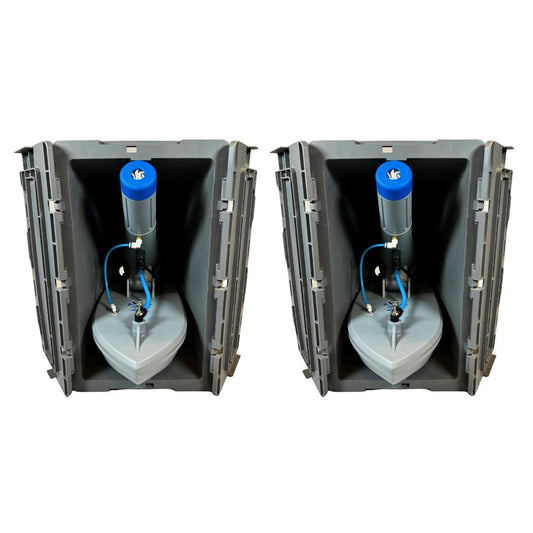
![SKEETER WEEPER®: SMART MOSQUITO+ FOGGING / MISTING SYSTEM [PATENT PENDING]](http://creeperdefeater.com/cdn/shop/files/SkeeterWeeperProsList-Amazon.jpg?v=1792615629&width=533)