
Lyme Disease: How to Protect Your Family from Ticks
At CREEPER DEFEATER®, we know that pest control is not just about eliminating nuisance bugs. It is about helping protect your health, your family, your pets, and the spaces where you spend time outdoors.
Ticks are one of the most important pests to take seriously because they can carry harmful bacteria linked to Lyme disease and other tick borne illnesses. As tick populations continue rising across the United States, prevention has become more important than ever.
Whether you are gardening, hiking, spending time in your backyard, or walking your dog, understanding tick safety can help reduce your risk of exposure.
What Is Lyme Disease?
Lyme disease is a bacterial infection caused primarily by Borrelia burgdorferi. It spreads through the bite of infected blacklegged ticks, commonly known as deer ticks.
Ticks become infected after feeding on wildlife such as mice and deer that carry the bacteria. If an infected tick attaches to a human long enough, it may transmit the bacteria into the bloodstream.
Research shows that the risk of transmission increases significantly after a tick has been attached for approximately 24 to 36 hours.
Early detection and prevention are key.
Why Tick Populations Are Increasing
Ticks are becoming more common in many regions due to a combination of environmental changes, including:
- Warmer winters
- Increased humidity
- Expanding deer populations
- Growth of suburban areas near wooded habitats
- Longer active seasons for ticks
Today, ticks are frequently found not only in forests and hiking trails, but also in residential neighborhoods and backyard spaces.
Where Ticks Hide Around Your Property
Ticks thrive in shaded, humid environments with access to wildlife and vegetation.
Common tick hotspots include:
- Tall grass
- Leaf litter
- Overgrown landscaping
- Brush and shrubs
- Fence lines
- Wood piles
- Areas near wooded edges
- Pet activity zones
Unlike mosquitoes, ticks do not fly. Instead, they wait on grass and vegetation until a person or animal brushes past, allowing the tick to attach.
Symptoms of Lyme Disease
Early Lyme disease symptoms can appear anywhere from several days to several weeks after exposure.
Common symptoms include:
- Fatigue
- Fever
- Chills
- Headaches
- Muscle aches
- Joint pain
- Swollen lymph nodes
- Brain fog
Some individuals develop a circular rash commonly known as a “bullseye” rash, although not everyone experiences this symptom.
If untreated, Lyme disease can potentially affect the nervous system, joints, and heart.
Free Science Backed Ways to Help Protect Yourself From Ticks
Maintain Your Yard Carefully
One of the most effective ways to reduce tick exposure is by making your property less hospitable to ticks.
At CREEPER DEFEATER®, we recommend:
- Keeping grass short
- Removing excess leaf litter
- Trimming overgrown vegetation
- Reducing brush buildup
- Keeping outdoor spaces dry and maintained
- Limiting wildlife hiding areas near the home
Property maintenance plays a major role in reducing tick habitats.
Wear Protective Clothing Outdoors
When spending time in wooded or grassy environments:
- Wear long sleeves and pants
- Choose light colored clothing to spot ticks more easily
- Wear closed toe shoes
- Avoid walking through dense brush whenever possible
These simple steps help create a physical barrier between you and ticks.
Check for Ticks After Outdoor Activity
One of the most important prevention habits is performing thorough tick checks after spending time outdoors.
Ticks commonly hide in:
- Hair and scalp
- Behind ears
- Under arms
- Behind knees
- Around waistbands
- Groin area
Checking pets carefully is equally important since animals can bring ticks indoors.
Remove Ticks Properly
If you find an attached tick:
- Use fine tipped tweezers
- Grasp the tick close to the skin
- Pull upward slowly and steadily
- Clean the area afterward
Avoid squeezing, crushing, or twisting the tick during removal.
The faster a tick is removed, the lower the likelihood of disease transmission.
Why Tick Control Matters
Ticks are difficult to manage because they are small, highly resilient, and often spread throughout large outdoor areas.
Pest management helps target tick prone environments and reduce populations around your property before infestations escalate.
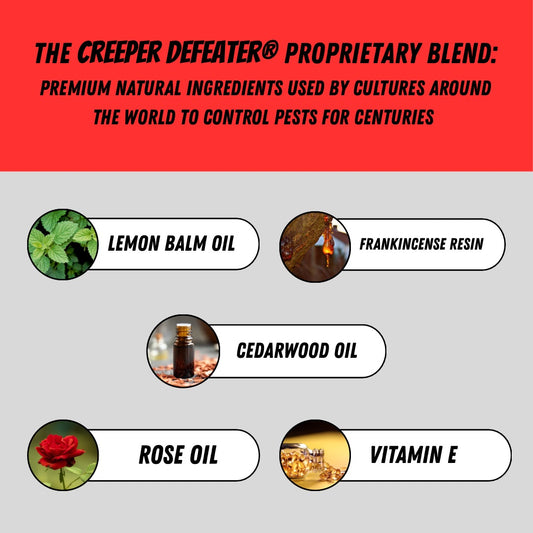
At CREEPER DEFEATER®, our focus is proactive outdoor protection. Effective tick prevention involves more than reacting to a single bug sighting. It requires understanding tick behavior, seasonal patterns, environmental risk factors, and the ingredients that deter them.
A well maintained outdoor environment can help reduce exposure risk for your family and pets throughout peak tick season.
Protecting Pets and Families
Pets are especially vulnerable to ticks because they spend time close to grass and vegetation. Children are also at higher risk because they often play in outdoor environments where ticks hide.
Reducing tick exposure around your home helps create a safer environment for everyone who uses your outdoor spaces.
Ticks may be small, but the health risks associated with Lyme disease can be significant. The good news is that prevention strategies are highly effective when practiced consistently.
At CREEPER DEFEATER® we believe outdoor spaces should feel enjoyable, comfortable, and protected. Tick prevention is an important part of creating a safer environment for your home and family.
Tick FAQ
Why are ticks dangerous?
Ticks can carry bacteria and pathogens associated with illnesses such as Lyme disease and other tick borne diseases.
Can ticks live in residential backyards?
Yes. Ticks are commonly found in residential yards, especially near tall grass, wooded edges, shrubs, and shaded areas.
What months are ticks most active?
Ticks are typically most active from spring through fall, although some species remain active year round in mild climates.
Can you feel a tick bite?
Most people do not notice a tick bite because ticks release compounds that help numb the skin while feeding.
What are free and practical ways I can reduce ticks around my property?
Maintaining landscaping, reducing overgrowth, clearing leaf litter, minimizing tick habitats, and relying on natural yet effective pest control can help reduce tick populations around the home.
Sources
-
Centers for Disease Control and Prevention Lyme Disease
Centers for Disease Control and Prevention. (2025). Lyme disease. U.S. Department of Health and Human Services. https://www.cdc.gov/lyme/index.html -
National Institute of Allergy and Infectious Diseases Lyme Disease Research
National Institute of Allergy and Infectious Diseases. (2024). Lyme disease. National Institutes of Health. https://www.niaid.nih.gov/diseases-conditions/lyme-disease -
Johns Hopkins Lyme Disease Research Center
Johns Hopkins Medicine. (2025). Johns Hopkins Lyme Disease Research Center. https://www.hopkinslyme.org -
Mayo Clinic Lyme Disease Overview
Mayo Clinic. (2024). Lyme disease: Symptoms and causes. https://www.mayoclinic.org/diseases-conditions/lyme-disease/symptoms-causes/syc-20374651